Safety is Power: The World’s Strongest Self-Locking Nut for Critical Applications
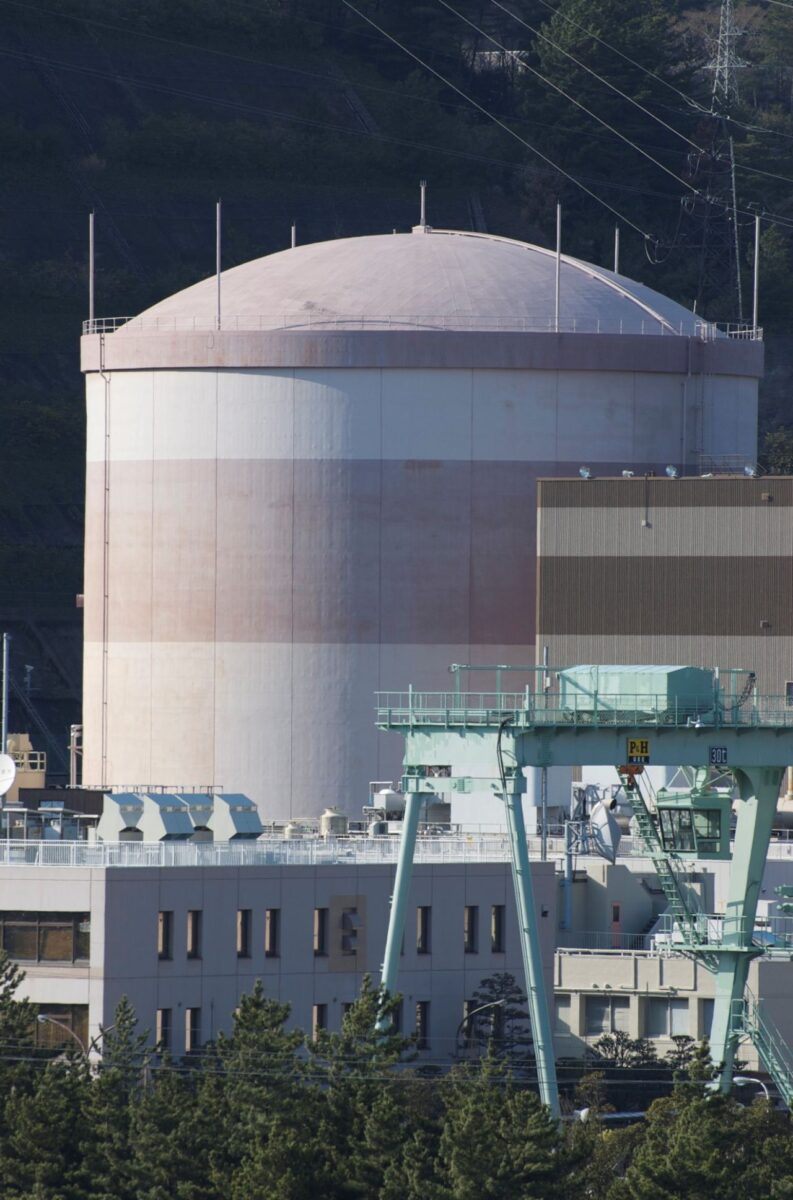
In industries where safety is non-negotiable, such as nuclear power plants, railway systems, and heavy industrial machinery, even the smallest component can determine the reliability of the entire system.
One of the most critical challenges in bolted joints is loosening caused by vibration, impact, and dynamic loads. This issue can lead to reduced clamp force, fatigue failure, and ultimately catastrophic accidents.
Why Do Bolted Joints Fail?
The primary cause of failure in fastening systems is the loss of initial preload. External forces create micro-movements between threads, resulting in:
- gradual loosening
- reduced structural integrity
- increased risk of bolt breakage
- costly maintenance and downtime
In high-risk environments such as nuclear facilities, even minimal loosening is unacceptable due to strict safety standards and long operational lifecycles.
HARDLOCK® Nut: Advanced Self-Locking Technology
The HARDLOCK® self-locking nut is engineered to eliminate thread clearance and prevent loosening under extreme conditions.
Unlike conventional nuts, the HARDLOCK® system uses a wedge-locking mechanism that creates a strong frictional force between threads. This results in a self-locking performance up to 1000 times stronger than standard hex nuts.
Key Benefits
- Fail-safe fastening in extreme vibration environments
- No loosening under dynamic loads or impact
- Reusable without performance degradation
- No need for special tools – standard tightening methods apply
- Available in multiple materials (steel, stainless steel, titanium, etc.)
Proven Performance in Critical Infrastructure
HARDLOCK® nuts are widely used in high-risk and high-reliability sectors, including:
Nuclear Power Plants
In nuclear environments, fastening systems must ensure zero loosening over long service periods, often without frequent maintenance access. HARDLOCK® nuts provide the required reliability by maintaining constant clamp force even under thermal expansion and vibration.
Railway Systems (Shinkansen Example)
Since 1992, HARDLOCK® nuts have replaced welding in Japanese high-speed trains. With zero reported failures, they demonstrate unmatched reliability in extreme operational conditions.
Heavy Industry & Energy Systems
Applications include:
- pumps and rotating machinery exposed to vibration
- cranes and structural equipment under dynamic loads
- solar panel mounting systems exposed to wind forces
These industries benefit from extended service life and reduced maintenance costs.
Comparison with Conventional Locking Methods
Traditional solutions such as:
- nylon insert nuts
- prevailing torque nuts
- double nutting
often suffer from performance degradation, limited reusability, or insufficient resistance to vibration.
In contrast, HARDLOCK® nuts:
- maintain consistent locking force
- do not rely on plastic deformation
- remain effective even after repeated use
Conclusion: Maximum Safety with Zero Compromise
In mission-critical applications like nuclear power plants, the cost of failure is too high to rely on conventional fastening methods.
The HARDLOCK® nut delivers:
- ultimate vibration resistance
- long-term reliability
- proven performance in the most demanding environments
Safety is power — and reliability starts with the right fastening solution.